Noise Algorithms
Noise Gradient 2D
Fluid, non-repeating coordinate distortion for organic digital materials.
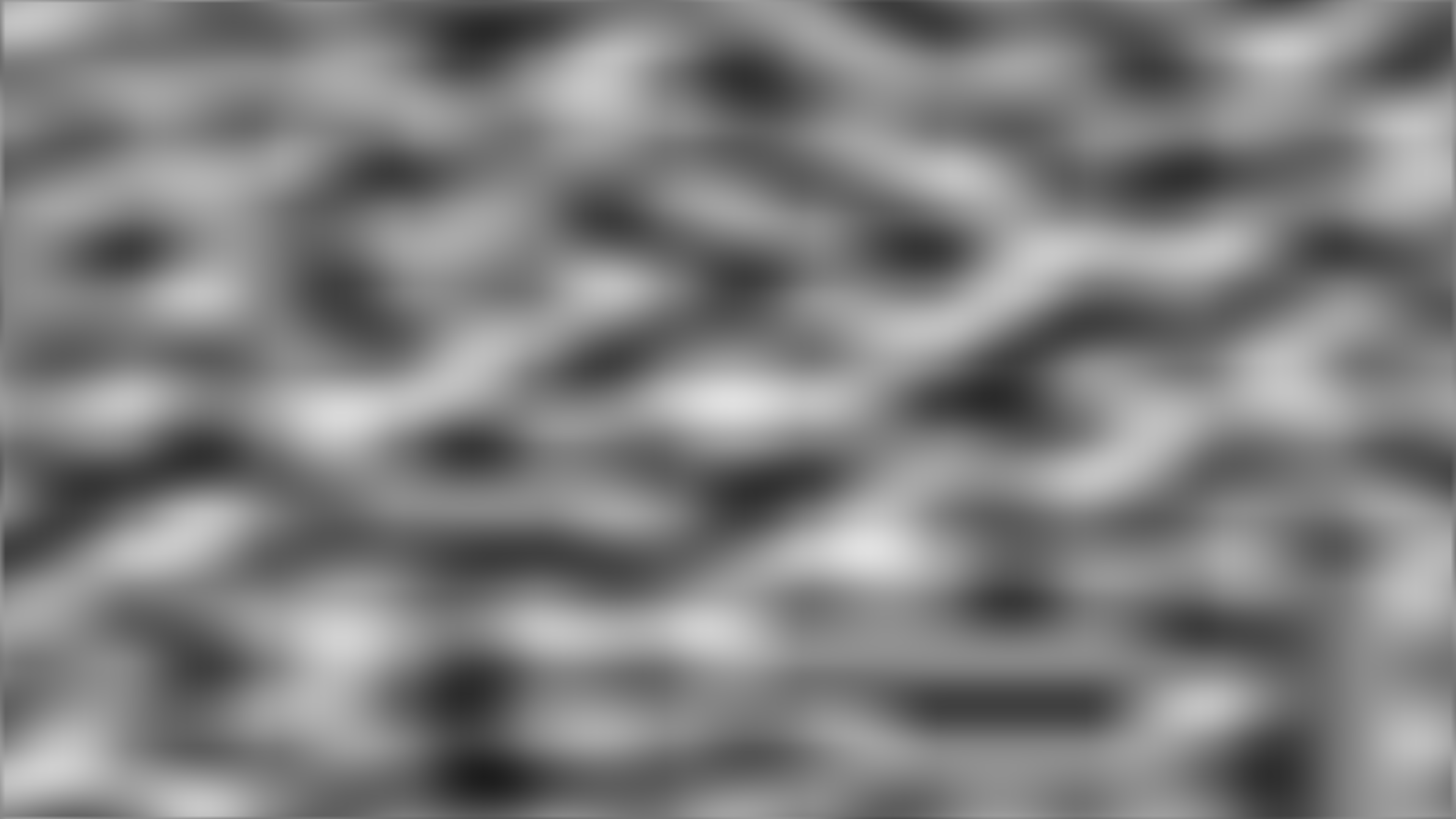
By utilizing continuous pseudo-random coordinate vectors, this spatial engine generates seamless, non-repeating procedural textures. By delegating the calculation of grid vectors and smooth interpolation directly to the GPU, the SCORE framework synthesizes infinite noise patterns at blistering speeds. This highly optimized computational focus ensures absolute mathematical smoothness, making it incredibly efficient for real-time viewport displacement and foundational terrain modeling without ever dropping a frame. Furthermore, the generated noise is seamlessly tileable across infinite coordinate spaces.

Spatial XR Disruption
Within a spatial reality, algorithmic noise must serve as a fundamentally reactive canvas. Integrated deeply into the STD.DEV architecture, physical hardware inputs like a touchscreen drag or device gyroscope act as direct offsets to the procedural coordinates. By swiping a finger across the display, users can seamlessly pan, zoom, or distort the infinite gradient landscape, transforming static procedural noise into an incredibly fun, tactile surface that fluidly responds to every human interaction.
Generative AI Diffusion Guidance
Continuous topological vectors provide an unparalleled framework for directing generative AI. The raw procedural gradient maps generated by the GPU act as perfectly smooth structural constraints for real-time diffusion models. By feeding these non-repeating coordinate flows directly into an AI model's latent space, STD.DEV forces the generation of highly complex, seamless aesthetic landscapes—from hyper-realistic rolling hills to smooth metallic reflections—ensuring the AI respects absolute mathematical continuity without hallucinating seams or breaks.
How does the SCORE framework synthesize infinite noise patterns?
The SCORE framework synthesizes infinite noise patterns by delegating the calculation of grid vectors and smooth interpolation directly to the GPU, achieving high speeds.
What makes the generated noise incredibly efficient for real-time applications?
How are physical hardware inputs integrated into the STD.DEV architecture for spatial reality?
How does STD.DEV enable users to interact with the infinite gradient landscape?
What role do the generated gradient maps play in directing generative AI?
How does feeding coordinate flows into an AI model's latent space impact generation?
What is the primary benefit of using continuous pseudo-random coordinate vectors for procedural textures?
What advantage does the mathematical smoothness of the generated noise offer for terrain modeling?
How does the system ensure seamless tiling of generated noise?
What is the purpose of integrating physical hardware inputs into the STD.DEV architecture?
What types of aesthetic landscapes can be generated by using the procedural gradient maps with AI models?
What ensures that AI-generated landscapes respect mathematical continuity?