Noise Algorithms
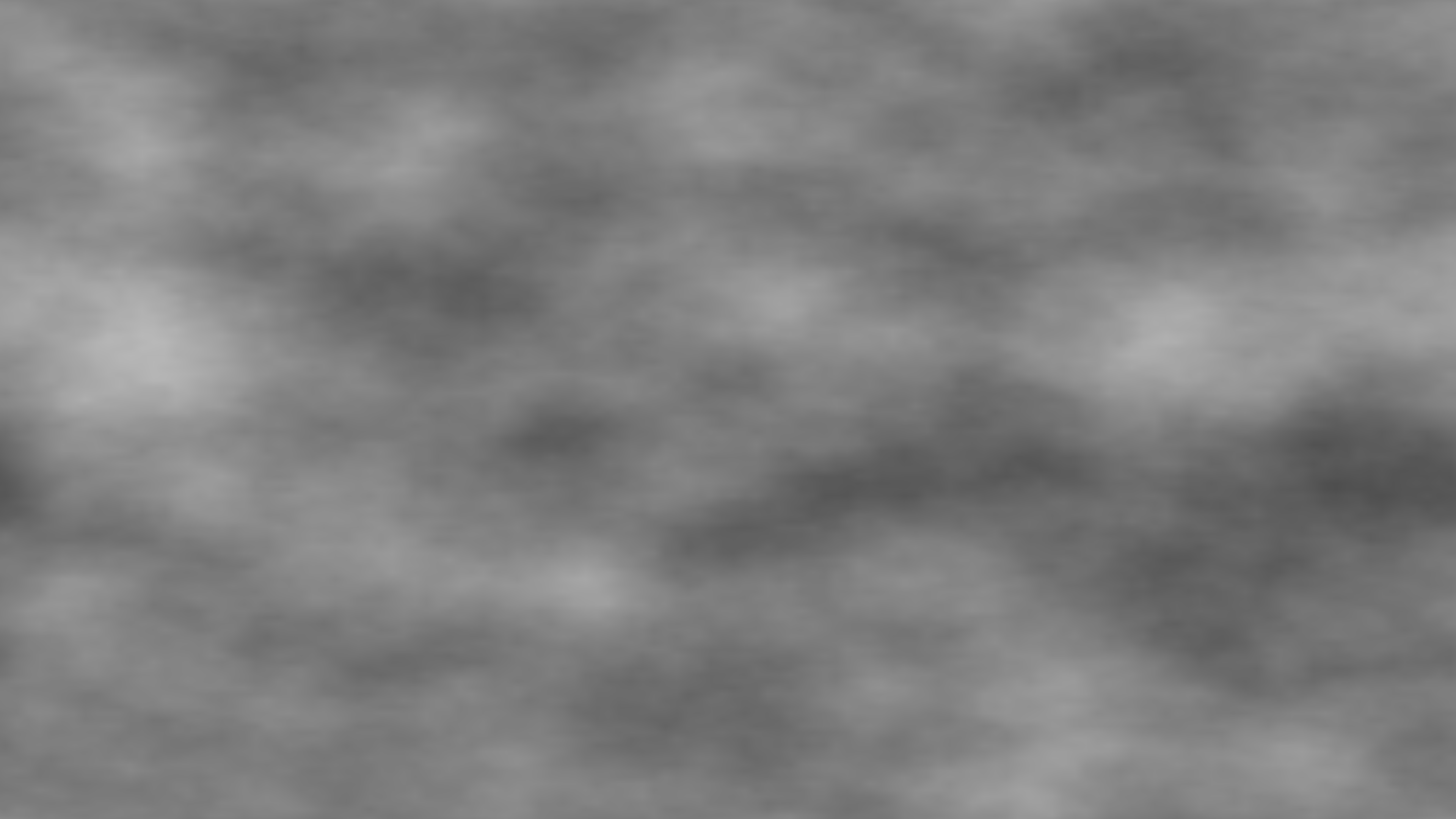
Noise Gradient FBM 3D
Sculpt deeply turbulent volumetric nebulas and hyper-realistic spatial fog.
Expanding fractal complexity into full volumetric space allows for the generation of incredibly dense, chaotic three-dimensional structures. By executing a highly optimized volumetric accumulator directly on the GPU, STD.DEV compounds multiple 3D octaves in real-time. This processing power ensures the flawless generation of hyper-realistic volumetric terrain, deeply turbulent atmospheric volumes, and complex planetary surfaces without dropping a single frame. Furthermore, the generated noise is seamlessly tileable across infinite coordinate spaces.

Interactive Volumetric Turbulence
True spatial computing allows users to disrupt entire atmospheric systems. Integrated deeply into the STD.DEV architecture, physical hardware inputs like a spatial tracking gesture or touchscreen swipe act as massive sheer forces within the 3D fractal field. If a user waves their hand through the digital volume, their kinetic interaction actively distorts the highest noise frequencies, violently shredding the simulated fog or tearing open the mathematical terrain. This allows users to physically rip through dense volumetric complexity in a deeply engaging, tactile way.
Generative AI Diffusion Guidance
AI generation often struggles to maintain internal consistency when dealing with high-frequency volumetric details. STD.DEV overcomes this by intercepting the sheer fractal density maps from the FBM 3D algorithm and injecting them into the AI's spatial conditioning layers. The exact boundaries of the 3D mathematical turbulence force the pixels of the generative diffusion model to align along absolute, multi-octave structures. Through this, STD.DEV dictates the absolute organic complexity, forcing AI models to sculpt and bend their atmospheric outputs according to strict volumetric fractals.
How does STD.DEV generate dense 3D fractal structures in real-time?
STD.DEV generates dense, chaotic three-dimensional structures by executing a highly optimized volumetric accumulator directly on the GPU, which compounds multiple 3D octaves in real-time.
What kind of realistic volumetric content can be generated using STD.DEV's GPU processing?
How does STD.DEV ensure the generated noise is tileable?
How can users interactively disrupt volumetric systems with STD.DEV?
What is the benefit of integrating generative AI diffusion guidance with STD.DEV's fractal density maps?
How does STD.DEV overcome the challenge of AI generation struggling with high-frequency volumetric details?
What is the business value of generating hyper-realistic volumetric terrain and atmospheric volumes?
How does STD.DEV's interactive volumetric turbulence contribute to user engagement?
What is the strategic advantage of forcing AI models to adhere to strict volumetric fractals?
Why does STD.DEV use a volumetric accumulator directly on the GPU?
What is the underlying principle behind STD.DEV's ability to generate infinitely tileable noise?
How does STD.DEV's architecture facilitate tactile user interaction with digital volumes?
What is the core problem STD.DEV addresses in generative AI for volumetric details?
How does STD.DEV ensure AI-generated atmospheric outputs align with organic complexity?