Projects
Freedom Grams
The Weight of Injustice
Freedom Grams is a disruptive cannabis brand and advocacy platform created to confront a systemic contradiction: the continued incarceration of 40,000 individuals for non-violent possession in the United States while legal sales top $33 billion. Developed by a coalition including AROYA, GABY Inc., and the Last Prisoner Project, the initiative uses exact product weights that led to prison sentences as a medium for social reform. To turn this physical packaging into a global digital movement, STD.DEV architected the full-stack infrastructure and interactive technology that brought this vision to life.
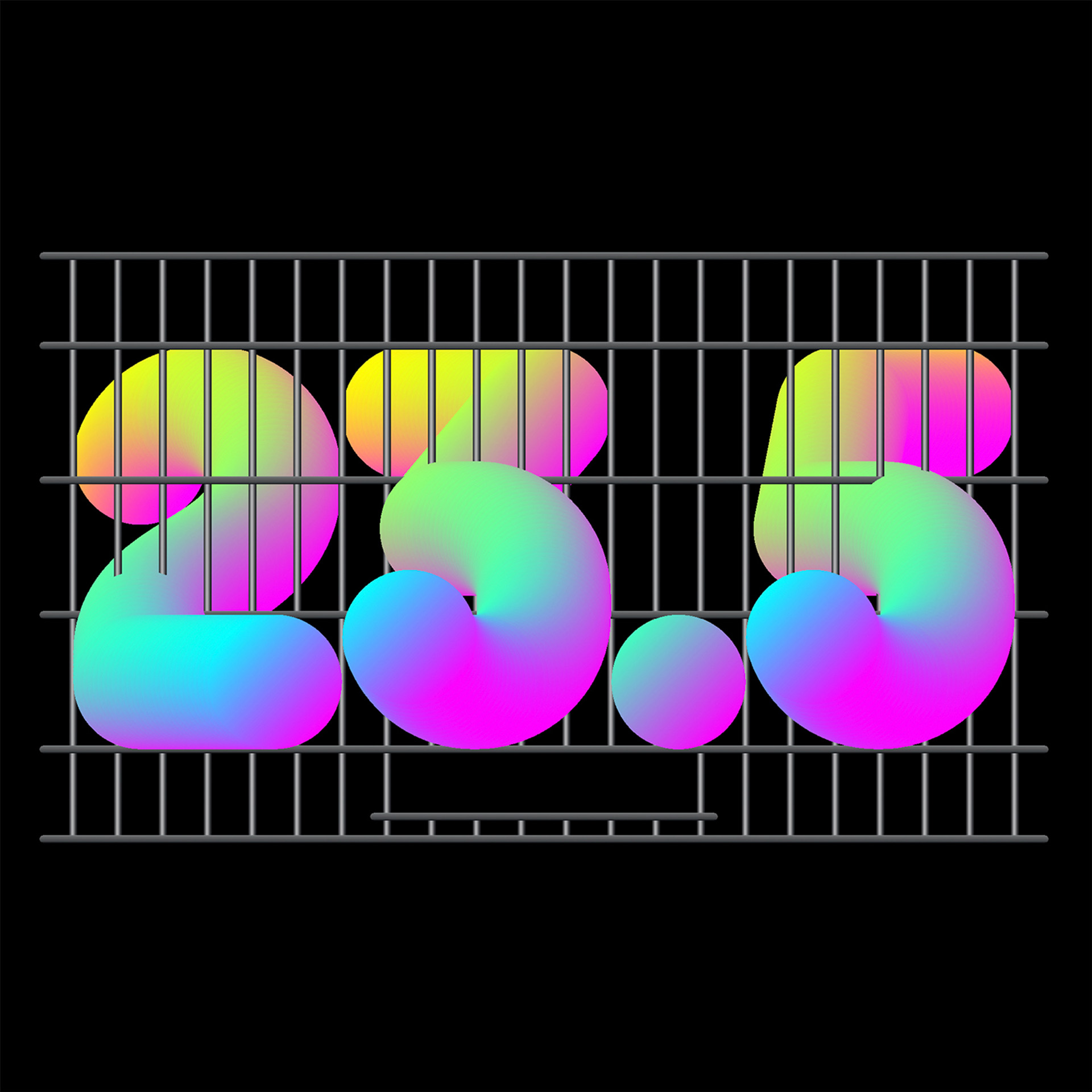
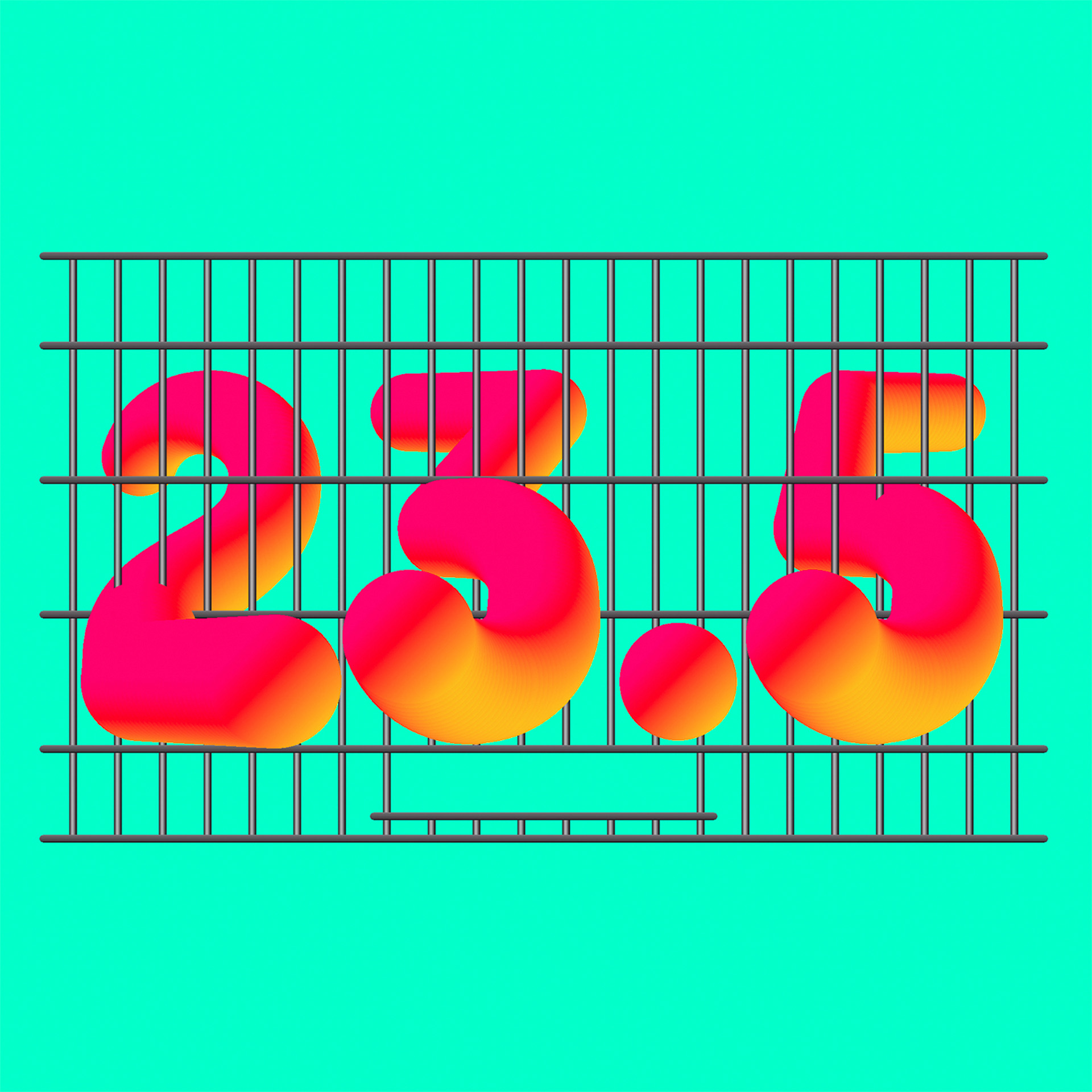
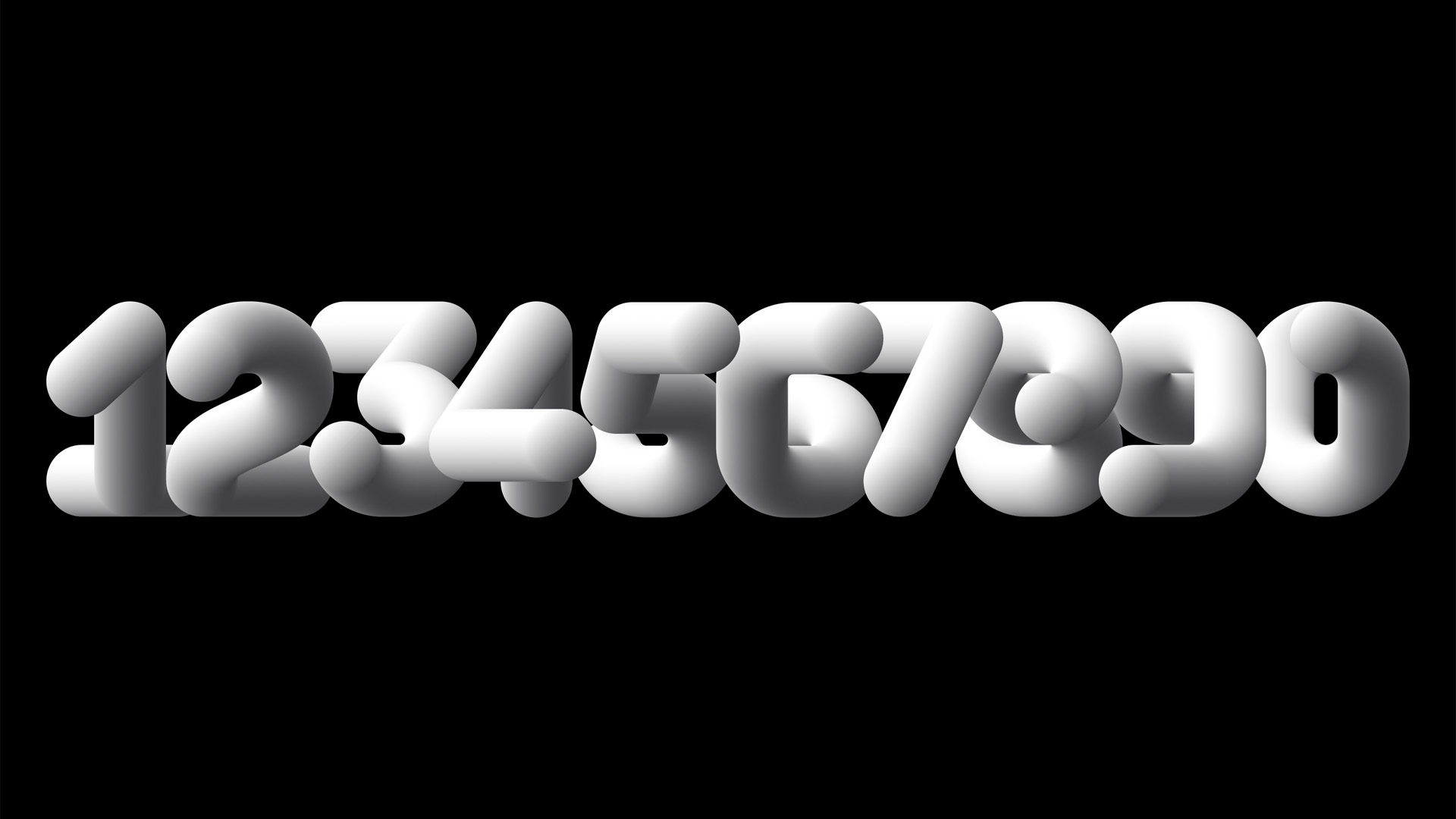
At the core of this vision was a powerful metaphor: generative typography physically breaking free from prison bars. To communicate the stark contrast between legal commerce and incarceration, Serviceplan designed a custom typeface that needed to shift seamlessly between two distinct perspectives—inside the grid (jail) and outside (freedom).
The Technical Challenge
Translating this conceptual typeface into an interactive digital experience presented a massive hurdle. Rendering tens of thousands of particle sprites with real-time animated gradients required complex, multi-perspective spatial logic. The system needed to transition these particles fluidly between jail and freedom states. Achieving this visual fidelity cross-platform—without destroying mobile battery life or frame rates—was entirely impossible using standard browser rendering techniques.
The Solution
To bypass these limitations, STD.DEV engineered a custom procedural GPU architecture from the ground up. By writing custom shaders, Daniel Kuhnlein offloaded particle positioning, depth sorting, and gradient interpolation directly to the device's graphics processor. This highly optimized approach evaluated complex spatial state transitions on a per-fragment basis, bypassing the browser's main thread to achieve flawless, zero-latency rendering at massive scale.
Impact
This architecture ensured fluid 60fps performance across the entire digital ecosystem, from desktop browsers to mobile AR. The flawless execution elevated the campaign’s emotional narrative, driving immediate physical sell-outs, massive media coverage, and top accolades like the Clio Awards Grand Prix. Ultimately, this scalable advocacy platform contributed to the cultural momentum that led to a presidential pardon for prior federal marijuana offenses.
To ensure the campaign could scale from physical packaging to a global digital movement, STD.DEV packaged the custom GPU rendering engine and backend infrastructure into four distinct, high-performance deliverables. Built entirely on a zero-dependency full-stack architecture, the platform empowered consumers, dispensaries, and creators to seamlessly interact with and distribute the campaign's generative assets.
1. Generative Type Tool
Engineering a standalone, GPU-driven generative typography tool to explore procedural font behaviors and finalize the design style in real-time. Integrated directly into the creative design workflow and driven by predefined Bezier splines, the interactive tool enabled the team to refine particle density, calibrate motion trajectories, and export high-resolution typeface animations for social media campaigns and marketing channels.



2. Spatial AR Application
Translating the complex rendering logic into lightweight spatial assets for an Augmented Reality application. By hyper-optimizing the asset payload, STD.DEV bypassed strict mobile platform constraints, allowing consumers to scan physical packaging and watch individual prisoner stories unfold through generative AR directly in their physical environment.
3. Campaign Website
Architecting the official digital platform, powered by a zero-dependency frontend web application and a decoupled backend case management architecture. The system features a real-time GPU-driven generative typography engine to visualize prison bar perspectives, alongside an interactive prisoner case database managed in partnership with the Last Prisoner Project. This infrastructure allows advocates and families to submit personal cannabis cases, automatically creating verified dynamic packaging labels that display exact sentencing weights, personal stories, and direct petition workflows.
4. Embedded Label Generator
Building a portable system that allowed anyone to freely and easily share the interactive labels directly from the platform. By providing lightweight, open-access embed codes, users and partners could seamlessly integrate the dynamic, GPU-rendered packaging labels across third-party platforms, digital publications, and retail sites.
Freedom Grams proves that creative engineering can be a catalyst for social change. By building a highly optimized, custom-engineered digital infrastructure, STD.DEV ensured that a powerful design concept could scale across the web, AR, and retail spaces—ultimately turning thousands of everyday consumers into active advocates for justice.
Credits
Initiative Coalition & Product Partners
AROYA / GABY Inc. / Last Prisoner Project
Commissioned by & Creative Direction
Serviceplan Group / Serviceplan Innovation
Technical Direction & Digital Architecture
STD.DEV (Daniel Kuhnlein)
Design
Moby Digg, Kimera
What was the core technical challenge in creating the Freedom Grams digital experience?
The core technical challenge was rendering tens of thousands of particle sprites with real-time animated gradients, requiring complex, multi-perspective spatial logic to transition fluidly between jail and freedom states, which was impossible using standard browser rendering techniques without impacting performance.
How did STD.DEV overcome the limitations of standard browser rendering for Freedom Grams?
What were the key high-performance deliverables STD.DEV created for the Freedom Grams campaign?
How does the Freedom Grams platform empower consumers and creators?
What is the purpose of the Generative Type Tool developed for Freedom Grams?
How does the Spatial AR Application for Freedom Grams work?
What features does the official Freedom Grams campaign website include?
How does the Embedded Label Generator facilitate the campaign's reach?
What was the strategic goal behind using exact product weights as a medium for social reform in Freedom Grams?
How did the Freedom Grams campaign leverage generative typography for its message?
What was the business impact of the Freedom Grams campaign's technical execution?
How did Freedom Grams contribute to broader social change?
What is the underlying philosophy of the Freedom Grams initiative?
Why was a custom typeface needed for the Freedom Grams campaign?
What role did the Last Prisoner Project play in the Freedom Grams initiative?